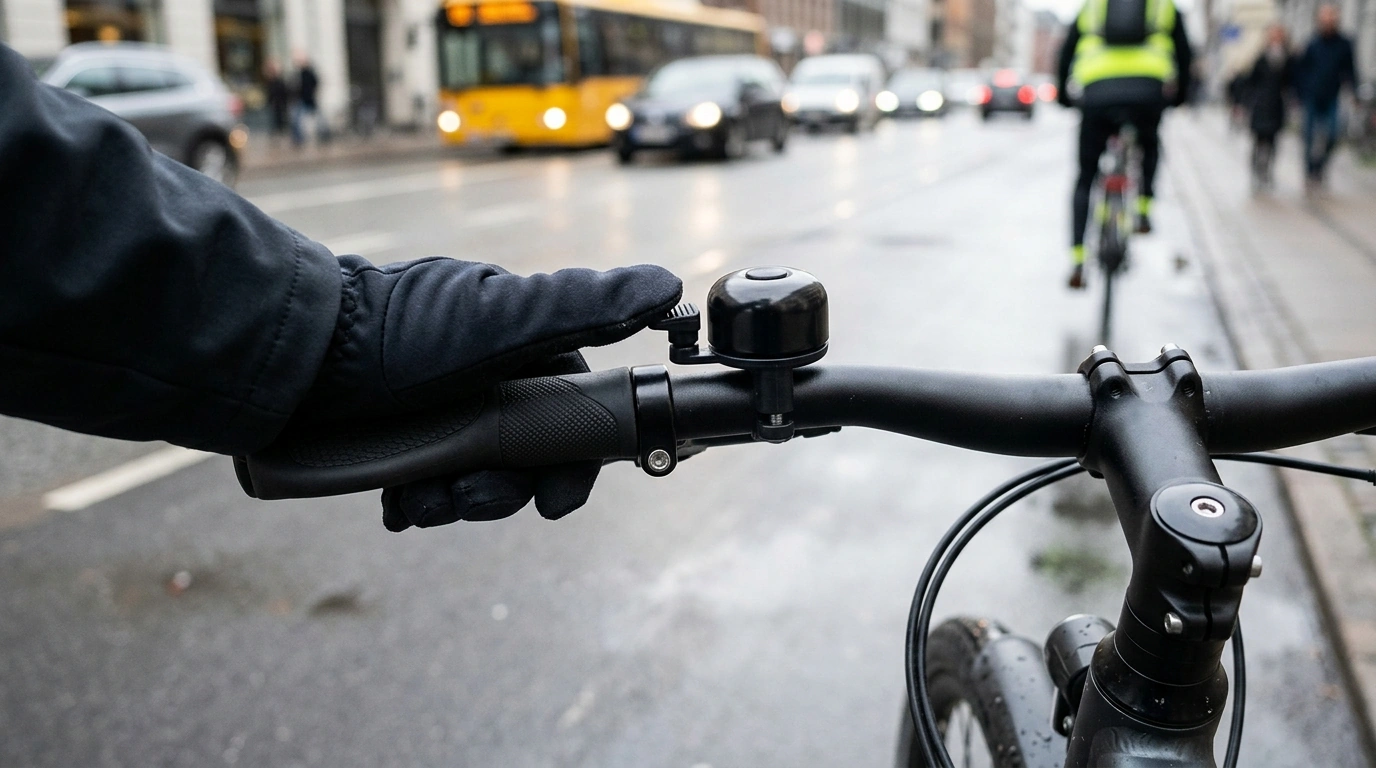
A reliable bell helps riders communicate clearly in traffic, on shared paths, and on busy trails. With multiple sound options and a high-volume output, an electric-style bike bell can make it easier to get noticed quickly—without needing to shout or swerve. This guide breaks down how sound modes and decibel levels work in real riding conditions, how to mount and use the bell safely, and what to consider for city commuting versus trail riding.
Not every riding situation calls for the same kind of alert. A single “ding” can be perfect on a quiet walkway, yet it may disappear into the background on a multi-lane street with buses, leaf blowers, and car stereos. That’s where multi-mode bells earn their keep.
In practice, sound modes aren’t just about volume. The tone shape and pitch can cut through ambient noise differently, which can help drivers or other riders register the signal faster.
Decibel numbers are useful, but they’re not the whole story. Manufacturers typically measure output under specific conditions. On the road, perceived loudness changes with distance, wind direction, obstructions (like a handlebar bag), and the surrounding noise level.
Sound exposure also matters for riders. If you’re concerned about hearing safety, read up on general guidance from authoritative sources such as NIOSH and OSHA, then use the least-intense setting that still gets the job done.
| Approx. output (dB) | Where it helps most | Use with care when |
|---|---|---|
| 70–90 | Quiet paths, low-traffic neighborhoods | People are very close or wearing headphones |
| 90–110 | Mixed-use paths, moderate traffic | Approaching from behind at short distance |
| 110–120 | Busy city streets, loud intersections | Crowded sidewalks, group rides, near animals |
Multi-mode bells vary widely in how easy they are to operate while riding. The best option is the one you can trigger instinctively, without taking your eyes off the path or loosening your grip.
A good rule of thumb: if you can’t comfortably activate it while braking lightly (without shifting your hand position), it’s probably not positioned well—or not the right model for your setup.
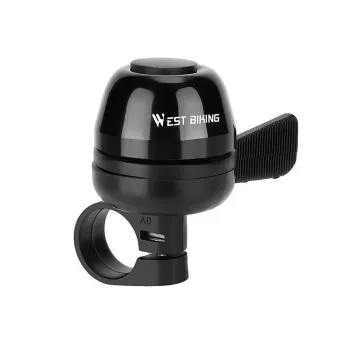
If you want more flexibility than a traditional bell, the Electric Bike Bell with 5 Sound Modes and 120 dB Volume is built around quick selection and a strong maximum output. Five selectable sound modes help match the alert to the moment—whether that’s a calm “heads up” on a shared path or a more assertive signal in heavy traffic.
It’s also a compact add-on that pairs well with the basics of visibility: lights, reflective elements, and predictable positioning. While audible signals can’t replace defensive riding, they can reduce last-second surprises when used early and consistently.
| Item | Detail |
|---|---|
| Name | Electric Bike Bell with 5 Sound Modes and 120 dB Volume |
| Sound modes | 5 |
| Max stated volume | 120 dB |
| Price | 13.82 USD |
| Availability | In stock |
Availability and pricing can change; confirm the latest details on the product page before purchase.
For broader riding guidance, practical tips from the League of American Bicyclists can help you build safer habits around signaling, scanning, and positioning.
120 dB is typically a maximum stated output, and perceived loudness depends on distance and surroundings. Use lower modes near people, signal earlier when possible, and save the loudest setting for noisy roads or urgent situations.
Sound modes let you match the tone to the environment—so you can be gentler on quiet paths and more noticeable in traffic. Switching to a sharper or louder alert when needed can improve the chance others recognize the signal quickly.
Mount it within easy thumb reach without changing your grip, and make sure it doesn’t interfere with braking or shifting. Keep the sound outlet unobstructed and re-tighten the mount after the first few rides to account for vibration.











Leave a comment