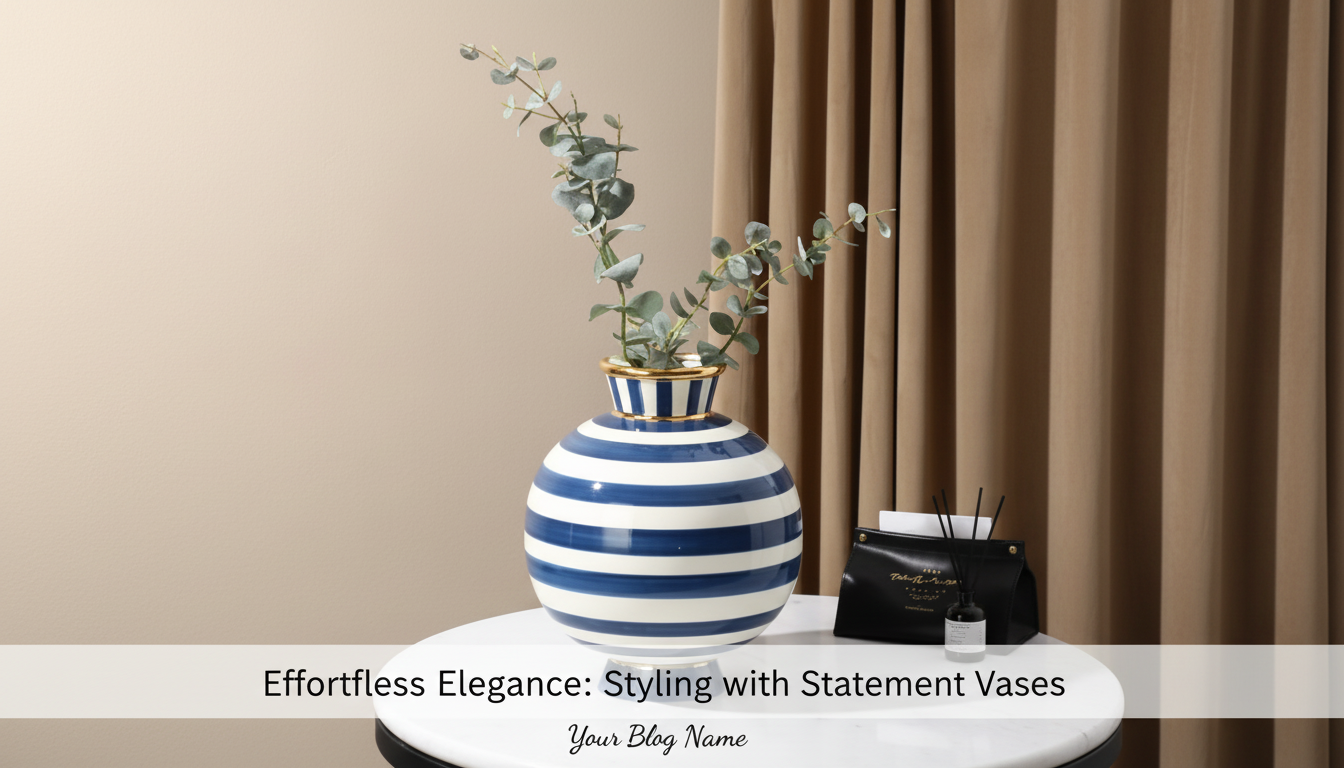
Geometric forms of ceramics are the basic shapes potters and ceramic artists use to design, build, and decorate clay objects. These forms can describe the overall silhouette of a piece (like a cylinder-shaped mug), the structure used to build it (like slab-built boxes), or the repeated shapes applied on the surface (like triangles in a pattern). Thinking in geometry helps make proportions more intentional, improves symmetry, and makes it easier to combine parts that fit together cleanly.
Cylinders are among the most recognizable forms, showing up in cups, tumblers, vases, and planters. Spheres and near-spherical “globes” appear in rounded vases, sculptural vessels, and closed forms. Cones and truncated cones (cone shapes with the tip removed) are common in bowls, funnels, and tapering vases.
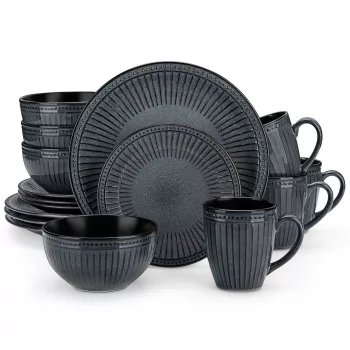
Discs and shallow circular forms are used for plates, trays, and lids. On the more architectural side, cubes, rectangular prisms, and other polyhedra show up in slab-built containers, modern planters, and sculptural ceramics with crisp edges.
On the wheel, geometry often comes from controlling curves into consistent profiles—straight walls for cylinders, even arcs for spheres, and intentional taper for conical shapes. Handbuilding makes geometry even more literal: slabs can be cut into triangles, rectangles, and hexagons, then assembled into faceted vessels or boxy forms with sharp corners.
Surface design can also be geometric without changing the silhouette. Carving, inlay, slip trailing, and glaze patterning can create grids, chevrons, spirals, or repeating polygons that emphasize structure and rhythm.
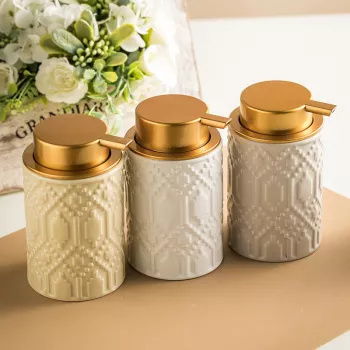
Form influences function. A cylindrical mug is easy to grip and stack; a wide bowl invites serving and sharing; a faceted planter can read as contemporary and sculptural. Geometry also affects balance and durability—thicker corners, tighter angles, and wide bases all change how a piece feels and performs.
For a deeper breakdown of shapes and how they appear in ceramic work, visit the main article on geometric forms of ceramics.
A “shape” often refers to a specific outline or motif (like a triangle pattern), while “form” usually means the three-dimensional structure of the piece (like a cylinder or sphere). In ceramics, the terms can overlap, but “form” tends to describe the full 3D volume.










Leave a comment