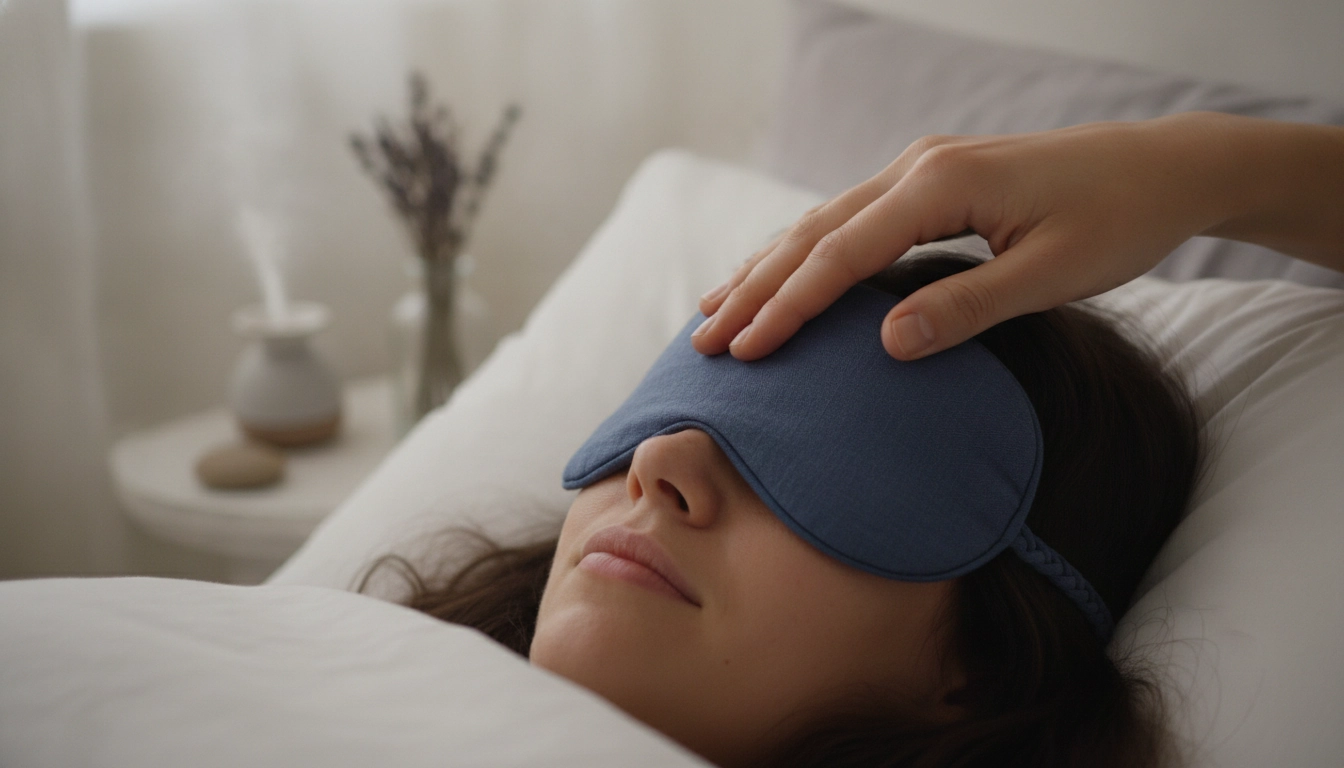
Falling asleep in 10 seconds is sometimes possible when your body is already sleep-ready and you use a fast downshift technique. The goal isn’t to force sleep—it’s to remove effort, relax the muscles, and slow the mind so sleep can take over.
Try this 10-second “rapid unwind” sequence while lying comfortably on your back or side:
1) Drop your face and jaw (2 seconds). Let your tongue rest, unclench your teeth, and soften the tiny muscles around your eyes.
2) Exhale long and slow (3 seconds). Breathe out as if fogging a mirror, then let the next inhale happen naturally.
3) Release shoulders and hands (3 seconds). Let your shoulders sink into the bed. Uncurl your fingers and let your arms feel heavy.
4) Empty the “to-do” channel (2 seconds). Silently repeat one simple phrase like “not now” or count “one.” If thoughts pop in, return to the phrase without arguing with your mind.
If you’re wired, the technique can still help, but it may take a few rounds. Increase your odds by lowering stimulation: dim lights, keep your room cool, and stop scrolling. If you regularly struggle to wind down, follow a repeatable pre-sleep routine and checklist—this step-by-step guide can help: AI Sleep Checklist: Fall Asleep Faster.
For Fall Asleep in 10 Seconds: Rapid Unwind Method, the best answer depends on fit, material, care instructions, and how the product will be used day to day.
Checking those details first helps avoid a poor match and keeps the choice practical after delivery.
For Fall Asleep in 10 Seconds: Rapid Unwind Method, the best answer depends on fit, material, care instructions, and how the product will be used day to day.
Get out of bed and do something quiet and low-light (like reading a few pages) until you feel sleepy again. Return to bed when your eyes feel heavy so your brain reconnects the bed with sleep, not effort.












Leave a comment