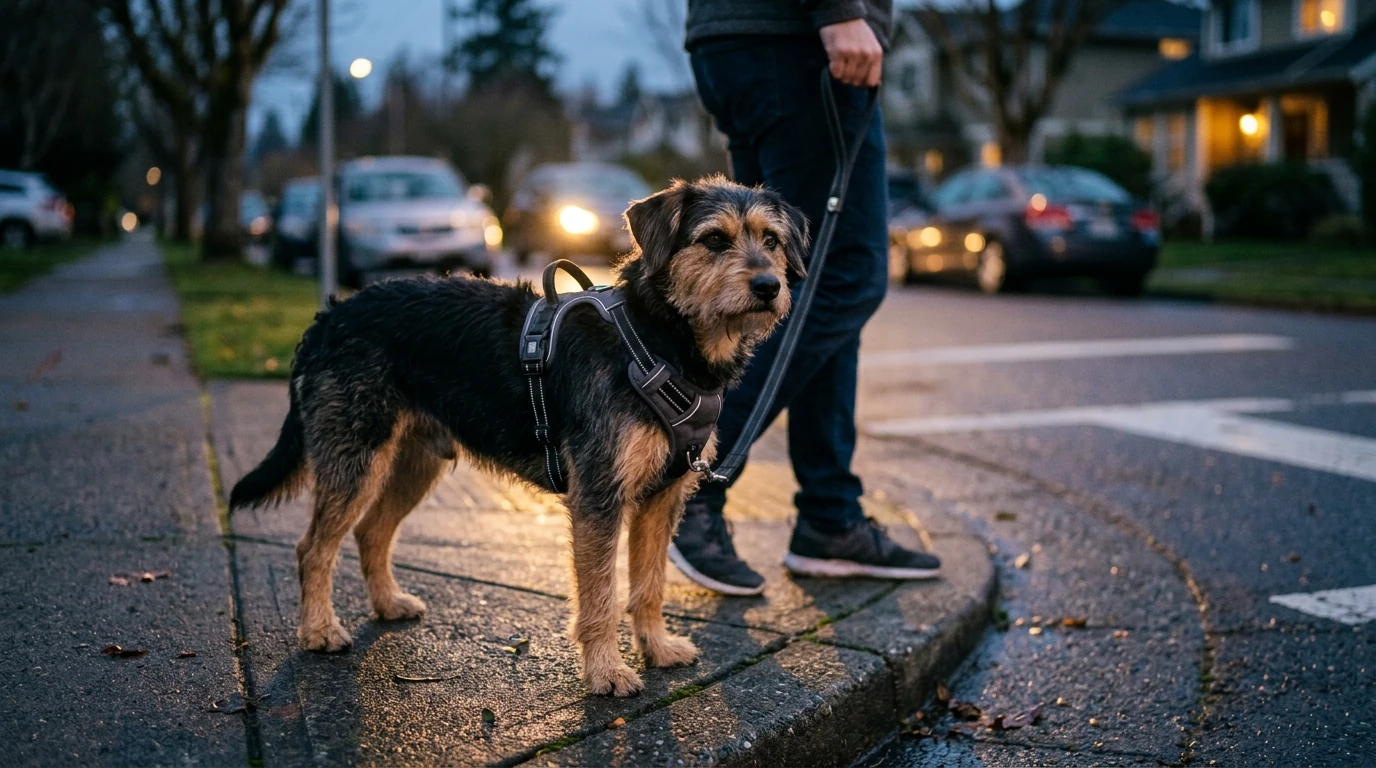
A well-fitted harness can make daily walks feel calmer and safer—especially for dogs that pull, back out of collars, or head outside at dawn and dusk. An adjustable reflective dog harness helps distribute pressure more comfortably than a collar-only setup, while reflective accents add an extra layer of visibility when light hits them. Below is a practical guide to choosing the right features, nailing the fit, and keeping your gear dependable for everyday use. For more guidance, see Review of Collars, Harnesses, and Head Collars for Walking ….
For basic walking best practices—like keeping sessions positive and appropriate for your dog’s age and fitness—see the guidance from the ASPCA on walking your dog. For further reading, see Dog Harnesses – VITAL VET REVIEW.
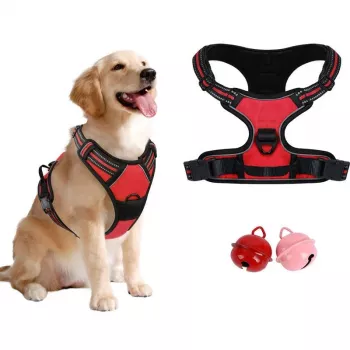
If you’re shopping for a versatile everyday option, Adjustable Reflective Dog Harness for Small to Large Breeds is designed to support a comfortable, tunable fit across a wide range of sizes, with reflective detailing for low-light visibility.
Most harness issues—rubbing, twisting, escaping—start with fit. Measure carefully, then adjust in small steps.
Need a refresher on measuring? The American Kennel Club’s dog measurement guide offers a clear walkthrough.
| Checkpoint | What to Look For | Fix If Needed |
|---|---|---|
| Chest strap position | Sits across the chest, not pressing on the throat | Loosen neck area and re-center on the chest |
| Underarm clearance | No rubbing behind front legs during steps | Tighten/loosen girth and adjust strap routing |
| Harness stability | Doesn’t rotate to one side when leash is lightly tensioned | Even out left/right strap lengths |
| Two-finger test | Two fingers fit under straps without pinching | Adjust incrementally; avoid over-tightening |
| Reflective visibility | Reflective areas are not covered by fur or accessories | Reposition harness and remove obstructing gear |
Also remember that safer walks aren’t only about visibility—leash control and supervision play a big role in preventing risky situations. The AVMA’s dog bite prevention guidance highlights the importance of leashing and attentive handling.
For training moments on the go—like rewarding a calm “wait” at corners—some dogs respond well to a comfort toy after the walk. If you want a simple home reward, consider the Ultra-Soft 14″ Kawaii Bunny Plush with Long Ears as a cozy downtime companion.
Shop the Adjustable Reflective Dog Harness for Small to Large Breeds
A harness should be snug enough that it won’t shift or rotate, but not so tight that it restricts movement. Use the two-finger rule under the straps, confirm the chest sits low (not on the throat), and make sure there’s no rubbing behind the front legs.
Reflective harnesses help most when external light hits them, so they’re strongest under streetlights, headlights, or a flashlight. For dark routes, add a clip-on LED and prioritize reflectivity on the chest and sides for visibility from multiple angles.
Start by checking size and strap placement: the chest area should be centered and the girth strap should sit behind the front legs with adequate clearance. Remove any strap twists, adjust in small increments, and monitor for redness or hair loss so you can correct fit before irritation worsens.











Leave a comment