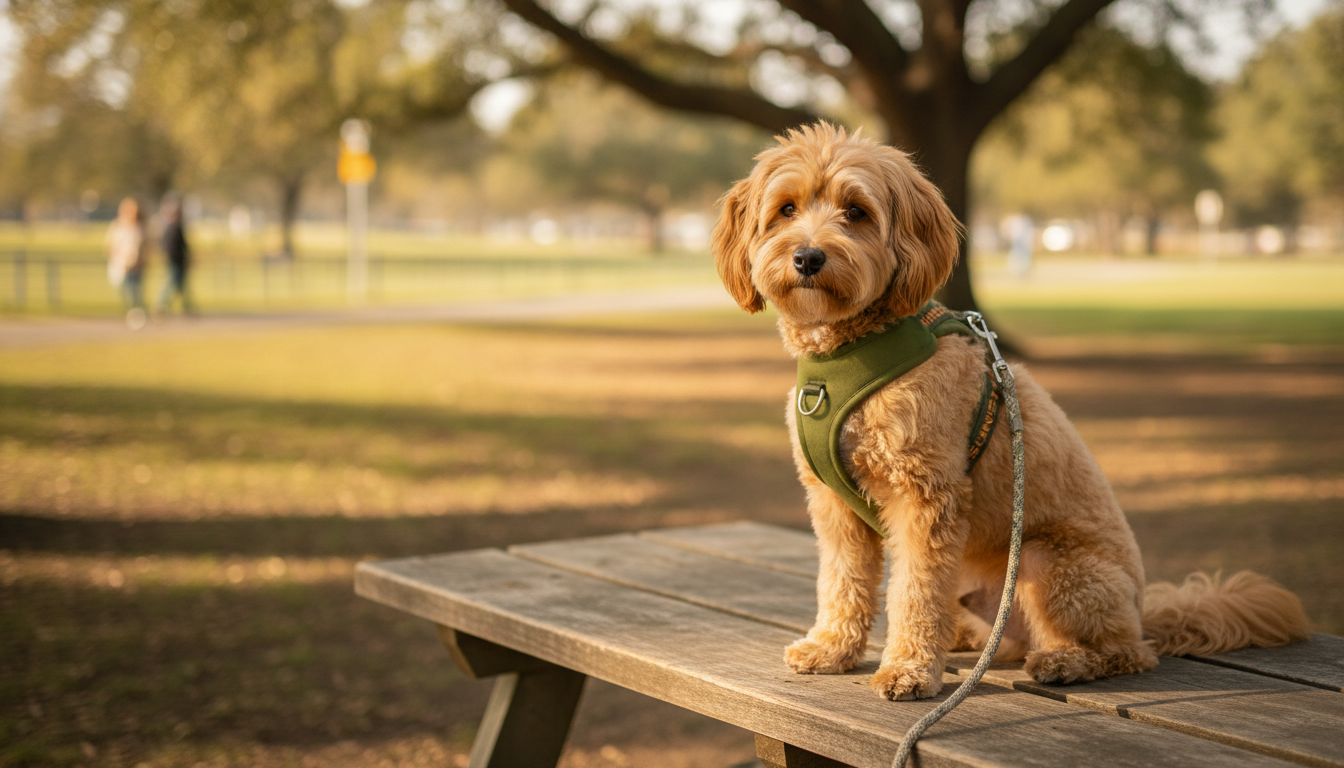
A well-fitted harness can make daily walks calmer, safer, and more comfortable—especially for small and medium dogs with delicate necks. This soft vest-style adjustable harness focuses on secure fit, gentle pressure distribution, and easy on/off so outings feel smooth from the front door to the last block home. For more guidance, see Review of Collars, Harnesses, and Head Collars for Walking Dogs.
If you’re shopping for a dependable everyday option, take a look at the Adjustable Dog Harness for Small & Medium Breeds – Soft, Secure & Comfy Vest. For dogs who need a little extra motivation to walk nicely, pairing gear with enrichment (like the Interactive Treat Dispensing Tumbler Toy for Dogs and Cats) can help channel energy before and after outings. For further reading, see Best Dog Gear for 2026: Harnesses and Wide Collars.
Vest-style harnesses are popular for a reason: they’re built to feel stable and gentle during everyday movement. Comfort starts with how the harness contacts your dog’s body and how it handles pressure when the leash tightens.
For more guidance on harness styles and fit considerations, see the American Kennel Club (AKC) overview of dog harnesses and the RSPCA advice on choosing the right collar, harness, and lead.
Small and medium dogs come in a huge variety of builds—think deep-chested mixes, petite terriers, and stockier companions with broader shoulders. Adjustability matters because it lets the harness fit your dog, not the other way around.
| Check | What You Want | Quick Fix |
|---|---|---|
| Two-finger test | Two fingers fit under straps without forcing | Loosen or tighten adjusters evenly |
| Chest placement | Front sits on chest, not pressing into throat | Reposition and re-tighten |
| No armpit rub | Straps sit behind the front legs with clearance | Adjust so vest rests flatter |
| No shifting | Harness stays centered when dog turns | Balance left/right strap lengths |
One practical tip: once the fit feels right indoors, do a short “test loop” outside with light leash tension. If the harness slides to one side or creeps toward the throat when your dog sniffs and pivots, small strap adjustments can make a big difference.
Accurate measurements reduce returns, prevent rubbing, and help your dog move naturally. For vest-style harnesses, the chest measurement typically does most of the sizing work.
When measuring, keep the tape snug but not tight, and aim to measure when your dog is standing naturally. If your dog is fluffy or freshly groomed, take coat thickness into account—what fits perfectly after a haircut may feel snug a few weeks later.
Even a well-made harness can become “the enemy” if the routine feels rushed. A calm, predictable sequence helps many dogs cooperate, especially those who are sensitive about being handled.
If your dog gets mouthy or spins when you reach for the harness, try a brief pause first: ask for a sit, reward, then proceed. Keeping the leash and harness “quiet” (no sudden jingling or fast motions) can reduce anticipatory stress.
If you’d like to explore a practical option built around those basics, you can view the Adjustable Dog Harness for Small & Medium Breeds – Soft, Secure & Comfy Vest. To support calmer departures and decompress after walks, the Interactive Treat Dispensing Tumbler Toy for Dogs and Cats can also be a helpful part of your routine.
A vest-style harness can be a good choice for small dogs because it helps distribute leash pressure across the chest and shoulders instead of focusing force on the neck. The benefit depends on proper sizing and a fit that stays centered without rubbing.
Use the two-finger guideline: you should be able to slide two fingers under the straps without forcing. It should sit centered on the chest with armpit clearance; if you notice rubbing, restricted movement, or coughing, the fit may be too tight or positioned incorrectly.
Start with correct sizing, then balance strap adjustments so the harness stays centered and snug without pinching. Maintain slack-to-light leash tension when possible and pair walks with training and calm reinforcement; replace any harness with worn straps or compromised hardware.









Leave a comment