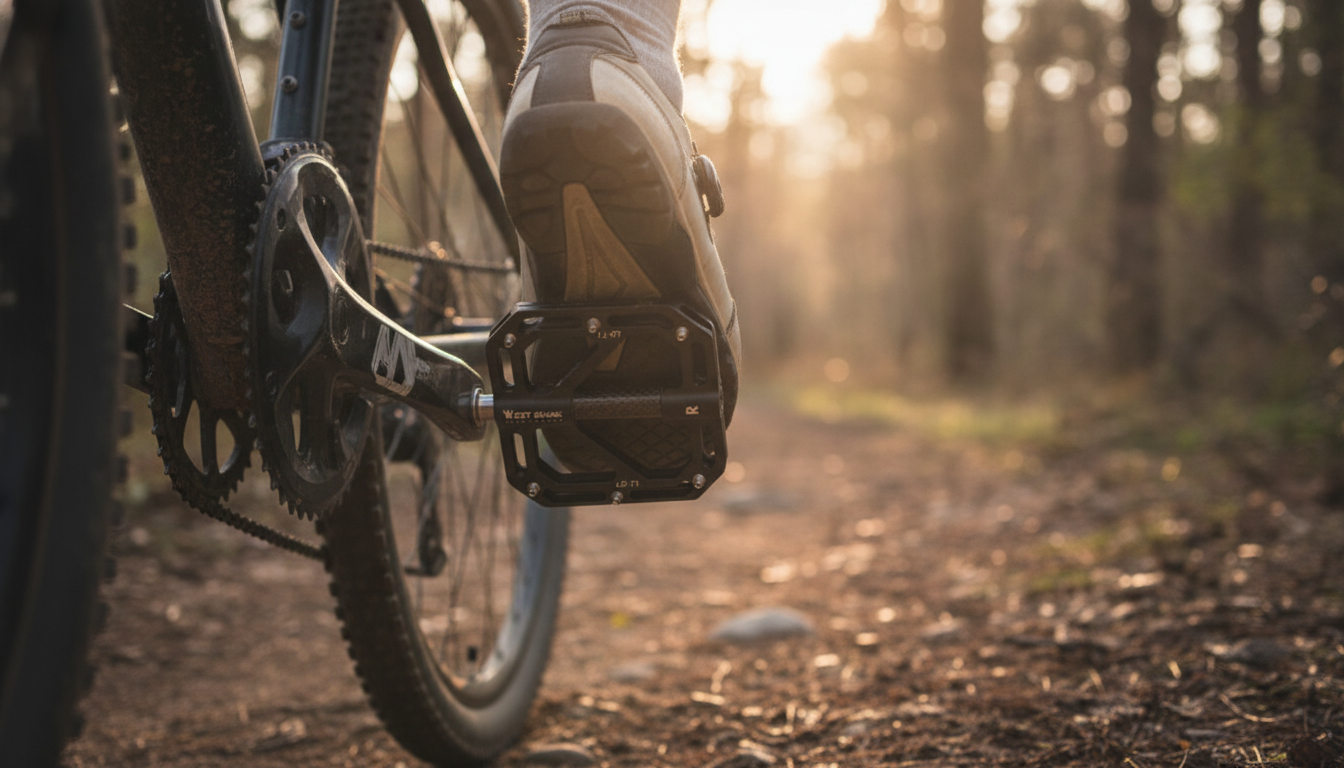
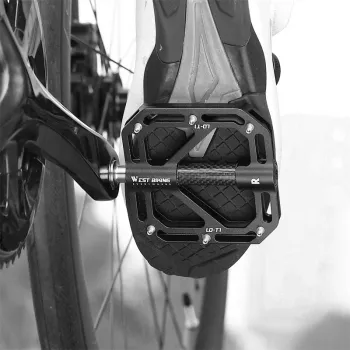
Secure footing and smooth rotation can change how a bike feels on climbs, sprints, and rough surfaces. Ultralight titanium alloy pedals built around a 3-bearing design and a traction-focused platform help keep power transfer confident, reduce pressure hotspots, and stay dependable across road, gravel, commuting, and trail riding. For riders who prefer the simplicity of flats, the right platform pedal can make every mile feel more controlled—especially when conditions get wet, dusty, or unpredictable. For more guidance, see Helmets by brand – BHSI.
A quality platform pedal should feel stable immediately—no searching for the “right spot” every time you restart at a stoplight, and no vague feeling when you stand up to accelerate. A wider, supportive platform helps distribute pressure more evenly across the shoe sole, which can reduce foot fatigue on longer rides. When the surface is designed to resist slip, riders can also reposition a foot mid-ride without losing confidence or wasting effort. For further reading, see TRT | Events | Main.
Better traction tends to show up most in three situations: technical trail sections where micro-adjustments matter, stop-and-go commuting where quick restarts are frequent, and steep climbs where the tendency to unweight a pedal can cause unwanted foot movement. For riders who don’t want clipless cleats—or who like the freedom to dab a foot quickly—flat pedals with serious grip are a practical performance upgrade.
The bearing system is the “invisible” part of a pedal that shapes how it feels after weeks and months of use. With multiple bearings supporting the axle, rotation can stay smoother and more consistent, especially at higher cadence. That smoothness becomes more noticeable when pushing hard: sprinting out of the saddle, grinding up a climb, or loading the pedal laterally through corners.
Sealed bearing designs typically help reduce contamination from water and grit, which can extend service intervals. That said, seals aren’t magic—periodic checks are still important, particularly after rainy rides, muddy trails, or winter road-salt exposure. When the bearings stay smooth, many riders also notice the bike feels quieter and more refined, because a rough pedal can transmit subtle vibration and noise through the drivetrain area.
Titanium alloy is valued for resisting rust and handling repeated stress cycles, making it a strong option for riders who want low weight without treating their bike parts as disposable. Even so, any platform pedal benefits from routine attention: checking axle tightness, ensuring there’s no developing side-to-side play, and keeping the body clean so grit doesn’t slowly wear moving surfaces.
| Material | Typical strengths | Typical tradeoffs |
|---|---|---|
| Titanium alloy | Excellent strength-to-weight, corrosion resistance | Often higher cost; grip parts still wear over time |
| Aluminum alloy | Lightweight, common, good value | Can show cosmetic wear; may be less fatigue-resistant than titanium in some designs |
| Composite/nylon | Affordable, impact-friendly, often quiet | May flex more; long-term wear can be faster depending on use |
In wet climates, it’s worth developing a simple habit: wipe the pedals down after a ride, and let the bike dry indoors when possible. Over time, also inspect the grip elements for rounding or damage; traction is a wear feature, and keeping it sharp is key to maintaining the “locked-in” feeling.
For step-by-step installation tips and removal guidance, Park Tool’s resource is a reliable reference: Park Tool — Pedal Installation and Removal.
For a deeper look at how flats compare to clipless options and how shoe choice affects feel, see: Shimano — Cleats vs Flat Pedals (general guidance on pedal/shoe choice).
Yes—grippy platform pedals can work across MTB, gravel, and road use. For mountain biking, prioritize shoe grip and pay attention to ground clearance and potential pedal strikes; for road riding, comfort and stable support matter most on longer spins.
No special tools are required for basic care: keep the pedals clean, avoid pressure washing near the bearings, and periodically check for play or roughness. Sealed bearings help reduce contamination, but they’re not maintenance-free—service or replace parts if the spin degrades.
Most adult bikes use 9/16″ pedal threads, but it’s best to confirm your crank standard before ordering. Install the left and right pedals on the correct sides and tighten to the recommended torque to prevent loosening or thread damage.










Leave a comment